Drywood termites, unlike their subterranean cousins, don't require contact with the soil. This makes them particularly insidious in Across South Carolina, as they can infest any wooden structure directly. We often find them in older homes in neighborhoods like the historic districts of Charleston or the charming bungalows of Greenville, where original timber framing provides ample opportunity for colonies to establish. Their presence is often subtle, with homeowners typically noticing small piles of fecal pellets (frass) or discarded wings near windowsills or furniture long after an infestation has taken hold. These termites thrive in the dry, warm conditions prevalent in our state, making proactive inspection and treatment crucial.
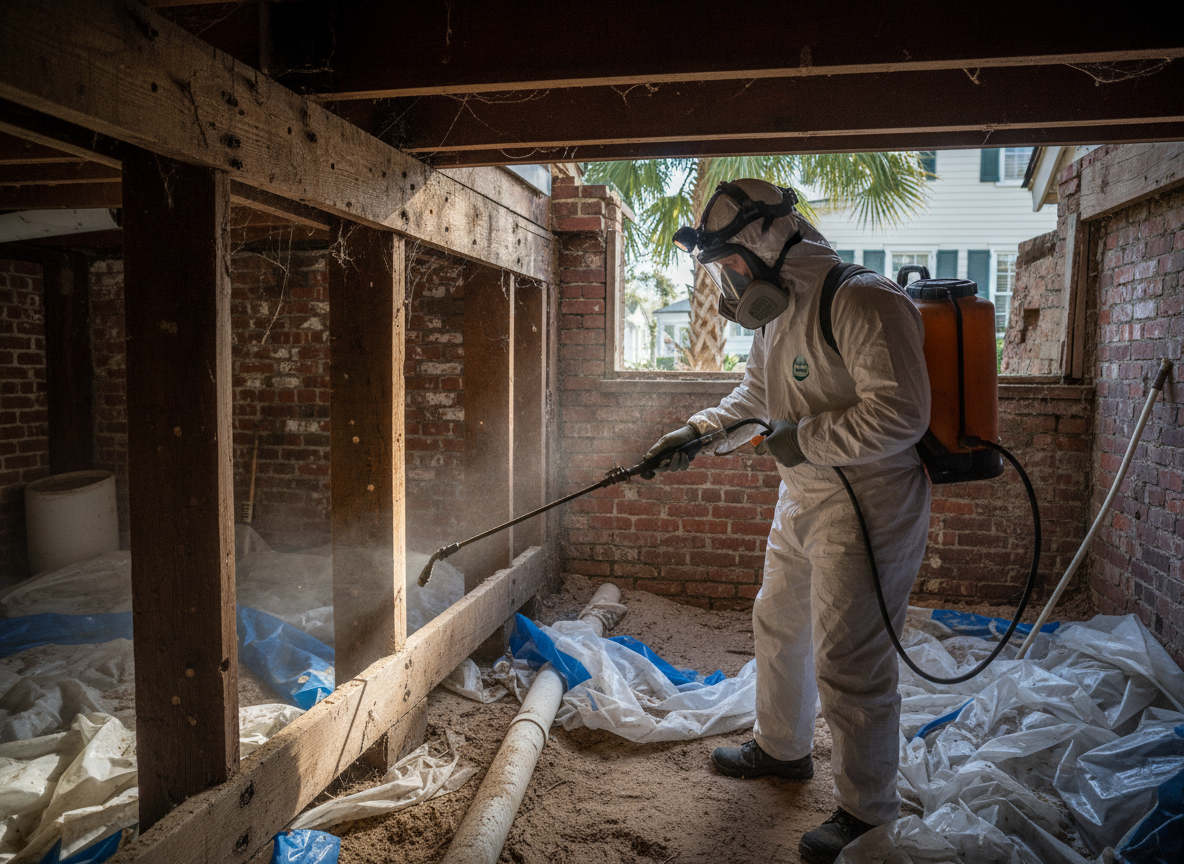
Effective drywood termite treatment in Across South Carolina requires a nuanced approach. Unlike subterranean termites, which are often addressed with soil treatments, drywood termites necessitate direct contact with the colony or fumigation of the entire structure. We assess the extent of the infestation, identifying all points of entry and areas of activity, which can be challenging given their hidden nature. Spot treatments using termiticides are effective for localized infestations, often in specific pieces of furniture or isolated structural beams. However, for widespread issues, especially in larger, older homes with extensive wood components, fumigation might be the most comprehensive solution to ensure complete eradication.
When tackling drywood termites in Across South Carolina, understanding the local building practices is key. Many homes, particularly those built before the 1980s, utilize exposed wooden beams, attics, and crawl spaces that provide ideal habitats for these pests. The warm, humid summers and mild winters mean that drywood termites can remain active year-round, unlike some other pests that have seasonal dormancy. Our team is trained to identify the specific signs of drywood termite activity, which can sometimes be confused with other wood-boring insects. We focus on precise application methods to minimize disruption to your home while maximizing the effectiveness of the treatment, ensuring long-term protection against re-infestation.
Choosing the right drywood termite treatment method depends on several factors, including the size and age of your property, the extent of the infestation, and your personal preferences regarding chemical use. We always provide upfront, clear explanations of our recommended strategies, whether it's a targeted liquid application, baiting systems for specific areas, or the more extensive tent fumigation. Our goal is to not only eliminate the current drywood termite problem but also to advise on preventative measures. This includes sealing cracks in foundations, repairing leaky roofs that could create moisture-rich environments, and ensuring proper ventilation in attics and crawl spaces – all common issues we see in Across South Carolina homes that can attract these destructive pests.
Technician insight
In Across South Carolina, the thing that catches most people out with drywood termite treatment is mistaking the frass for sawdust or dirt. We often see homeowners in older neighborhoods like those in Columbia or Spartanburg sweeping up these tiny pellets for months before realizing they have a serious drywood termite problem, which by then has allowed the colony to grow significantly. Early detection is key, especially with our warm climate allowing year-round activity.
Drywood Termites in a Historic Charleston Home
A homeowner in a historic Charleston neighborhood called us after noticing small, sandy-colored pellets accumulating on a windowsill in their living room. Upon inspection, we found extensive drywood termite activity in the original heart pine window frame and an adjacent decorative beam. We performed a localized spot treatment, injecting a termiticide directly into the infested wood, which successfully eradicated the colony and preserved the home's historic integrity.
Drywood Termite Treatment Services We Offer
✓Localized Drywood Termite Spot Treatment
Targeted application of termiticide directly into infested wood members, ideal for small, contained drywood termite colonies in specific areas like furniture or individual beams.
✓Drywood Termite Fumigation Services
Whole-structure fumigation for severe or widespread drywood termite infestations, ensuring complete eradication by permeating all wood within the property.
✓Preventative Drywood Termite Inspections
Thorough inspections to identify early signs of drywood termite activity and potential entry points, helping homeowners in Across South Carolina avoid costly infestations.
✓Wood Repair & Replacement Consultation
Guidance and recommendations for repairing or replacing wood damaged by drywood termites, helping restore structural integrity after treatment.
✓Drywood Termite Baiting Systems
Strategic placement of bait stations to attract and eliminate drywood termite colonies, offering a less invasive option for certain situations.
✓Post-Treatment Drywood Termite Monitoring
Ongoing monitoring to confirm the effectiveness of drywood termite treatments and detect any new activity, providing peace of mind to homeowners.
Drywood Termite Treatment Cost in South Carolina
| Service | Typical Range | What Affects It |
|---|---|---|
| Localized Drywood Termite Spot Treatment | $300 - $1,500+ | Depends on the number of treatment points and accessibility. Smaller, isolated infestations are at the lower end. |
| Drywood Termite Fumigation (Whole Structure) | $2,500 - $10,000+ | Highly dependent on the size of the structure (cubic feet), complexity of tenting, and duration required. Larger homes will be significantly more. |
| Drywood Termite Inspection | Free with treatment | A standalone inspection without treatment may incur a small fee, which is often credited back if treatment proceeds. |
| Drywood Termite Baiting System Installation | $500 - $2,000+ | Cost varies based on the number of bait stations required and the size of the area to be protected. |
Ranges are typical for South Carolina and confirmed with an exact written quote before any work starts.
How it works
- 1
Thorough Drywood Termite Inspection
Our experienced technicians conduct a detailed inspection of your property across Across South Carolina, meticulously searching for frass, discarded wings, exit holes, and other signs of drywood termite activity in all wooden structures, attics, and crawl spaces.
- 2
Customized Treatment Plan Development
Based on the inspection findings, we develop a personalized drywood termite treatment plan. This plan outlines the most effective methods, whether it's localized spot treatment, fumigation, or a combination, tailored to your specific infestation and property.
- 3
Precision Treatment Application
Our team executes the approved treatment plan with precision, applying termiticides directly to infested wood, setting up bait systems, or preparing the property for fumigation, ensuring thorough coverage and minimal disruption.
- 4
Post-Treatment Follow-Up & Prevention
After treatment, we provide recommendations for preventing future drywood termite infestations, such as sealing entry points and managing moisture. We also offer follow-up inspections to ensure the problem is fully resolved.
Pricing
Pricing for drywood termite treatment varies significantly based on the chosen method, the size of the infestation, and the property's square footage. We provide transparent, upfront quotes after a thorough inspection.