
2026-10-09 · David Miller
How To Spot Termite Swarms In South Carolina During Spring
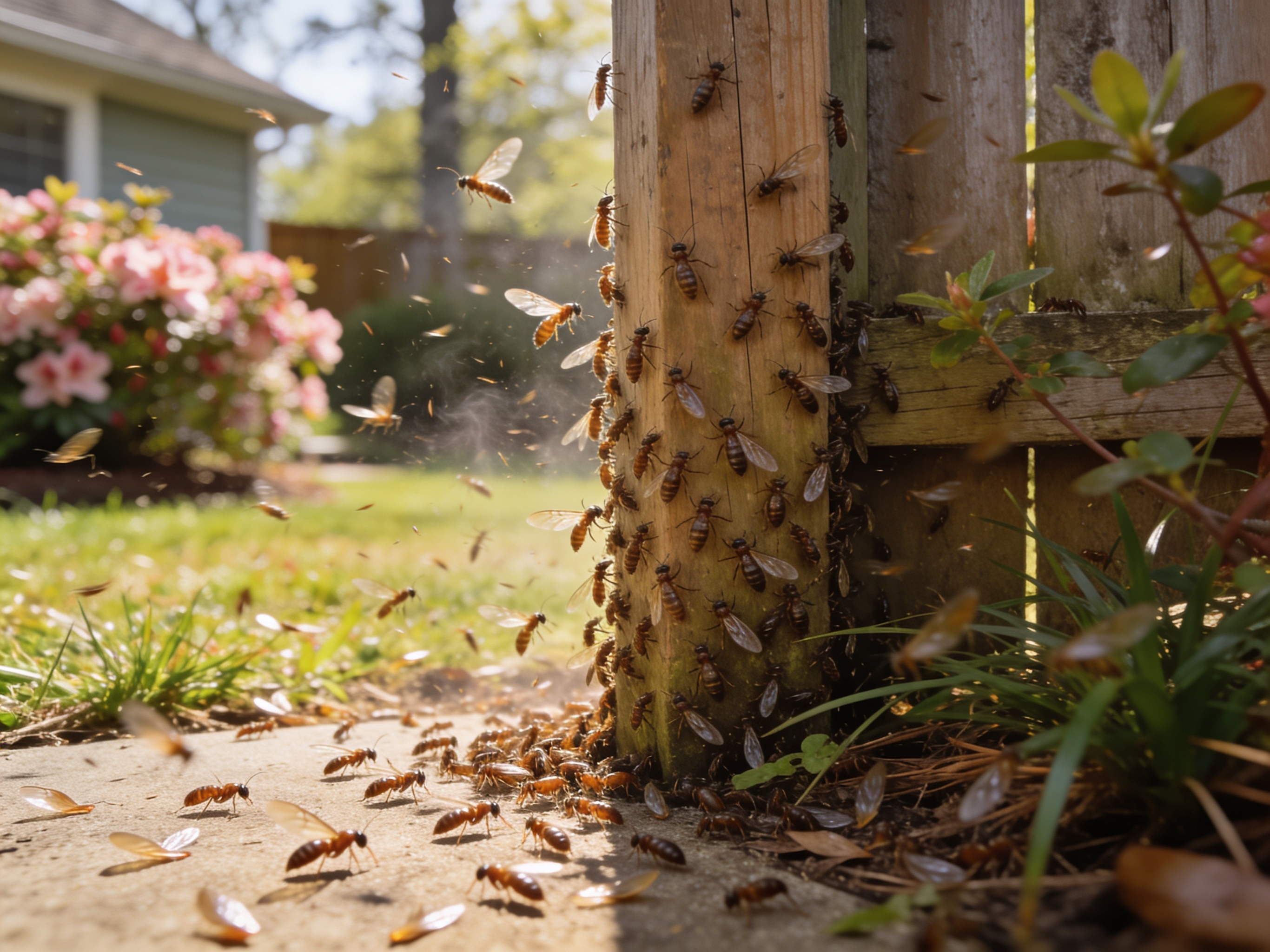
In South Carolina, termite swarms typically emerge during the spring months, usually from March through May, though some species can swarm earlier or later depending on specific weather patterns. These swarms are a critical indicator of an active termite colony nearby, as they represent the reproductive members (alates) leaving the nest to establish new colonies. Spotting them early is crucial for preventing extensive damage to your home, especially in areas like Charleston, Columbia, and Myrtle Beach, where older homes with abundant wood are common.
Understanding Termite Swarms in Our Climate
South Carolina's humid subtropical climate, with its mild winters and hot, moist summers, creates an ideal environment for various termite species to thrive. The consistent moisture, especially in coastal regions like Beaufort and Hilton Head Island, combined with the prevalence of older, wood-framed homes, makes properties particularly vulnerable. When spring arrives, bringing with it increased temperatures and rainfall, it signals to mature termite colonies that conditions are ripe for swarming. This natural cycle means that homeowners in places like Summerville or Florence should be especially vigilant during this period.
The primary species you'll encounter swarming here are subterranean termites. These termites live in the soil and require constant moisture, which our climate readily provides. Unlike drywood termites, which are less common but still present, subterranean termites build intricate tunnel systems from the ground into your home's wooden structures. A swarm is often the first visible sign of their presence, as the actual colony remains hidden within the soil or walls. Understanding this distinction is key to effective termite control.
Key Signs of a Termite Swarm
Identifying a termite swarm requires knowing what to look for. It’s not just about seeing flying insects; it’s about recognizing the specific characteristics that differentiate termites from other common swarming insects like ants. Here are the tell-tale signs:
- Discarded Wings: One of the most common and often overlooked signs is the presence of small, translucent wings scattered near windowsills, doors, or light fixtures. Termite swarmers shed their wings shortly after their brief flight. These wings are typically uniform in size and shape, unlike ant wings which are often unequal. If you find these, it's a strong indicator of an active colony. You can learn more about this specific sign at /services/discarded-termite-wings.
- Live Swarmers: You might directly observe the swarmers themselves. They look like flying ants, but there are key differences. Termite swarmers have straight antennae, a broad waist, and two pairs of wings that are equal in length. Flying ants, in contrast, have elbowed antennae, a constricted waist, and hind wings that are shorter than their front wings. Swarmers are often attracted to light, so you might find them around lamps or windows, particularly in the morning after a warm, rainy night.
- Mud Tubes: While not a direct sign of swarming, the presence of mud tubes on your foundation or in your crawl space (e.g., /services/termite-mud-tubes-on-foundation or /services/termites-in-crawl-space) indicates active subterranean termites. Swarmers emerge from these tubes or directly from infested wood. If you see mud tubes, it confirms an existing infestation that is likely to produce swarmers when conditions are right.
- Damaged Wood: Although swarmers themselves don't cause structural damage, their presence confirms an active colony that is. Look for signs of damaged wood, such as hollow-sounding timbers when tapped, buckling floors, or pinpoint holes in drywall. These are indicators of a well-established colony that has likely been at work for some time, and swarming is its natural next step.
Where to Look for Swarms Around Your Home
Termite swarmers often emerge from hidden areas within or around your home. Knowing where to focus your inspection can significantly increase your chances of early detection. In South Carolina, with our varied housing stock from historic homes in Charleston to newer constructions in Lexington, these pests can be found anywhere.