
2026-10-09 · David Miller
Preparing Your Yard For Termites Before Summer Rains In South Carolina
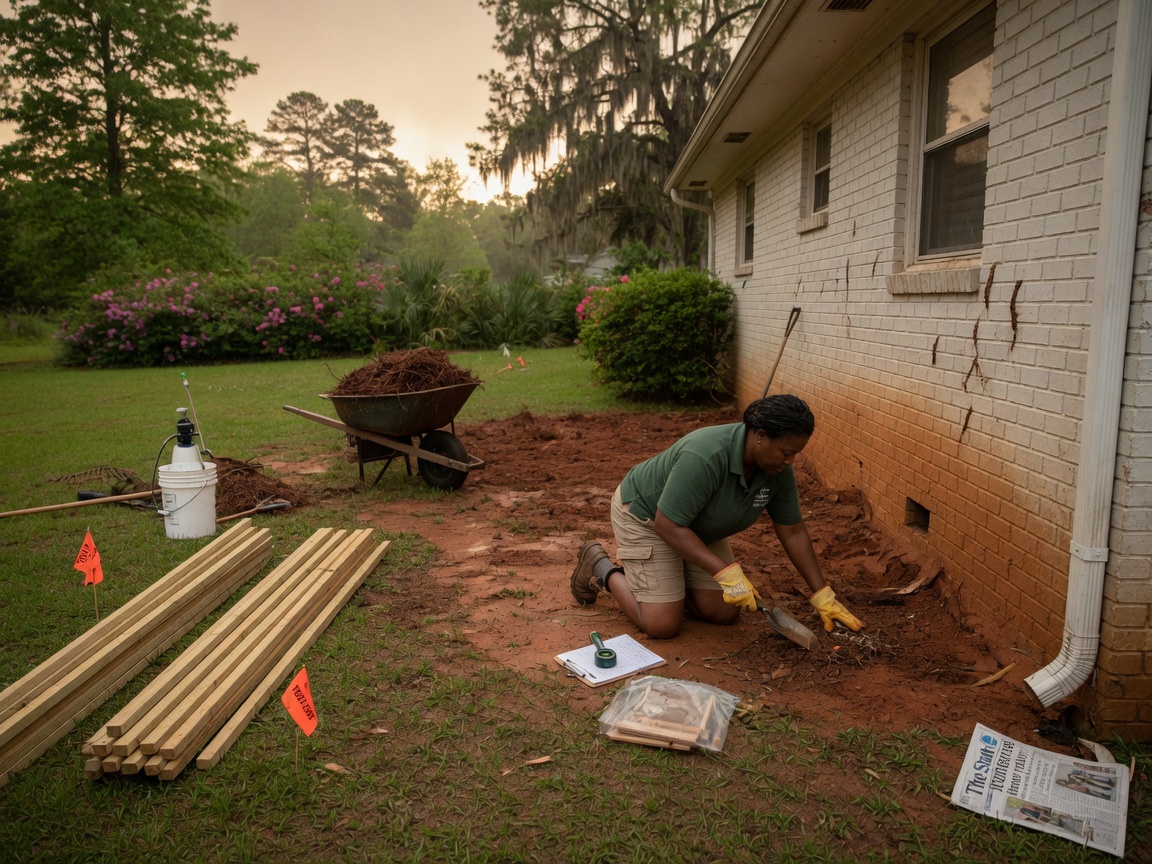
Preparing your yard in South Carolina before the summer rains hit is crucial for preventing termite infestations. The answer is a resounding yes; proactive measures significantly reduce the risk of termites establishing colonies near or inside your home. Our region, from the coastal plains of Charleston and Myrtle Beach to the Piedmont areas around Columbia and Rock Hill, experiences heavy rainfall and high humidity from late spring through summer. These conditions, combined with our often-sandy soils and abundant wood-rich landscapes, create a perfect breeding ground for subterranean termites, the most common and destructive species here. Addressing moisture issues, removing wood-to-ground contact, and maintaining proper drainage around your foundation can drastically cut down on the appeal your property holds for these pests, saving you from potential damage that can cost thousands of dollars to repair.
Understanding South Carolina's Termite Season and Rain Impact
South Carolina's climate is a primary driver of termite activity. As the temperatures rise and the humidity climbs in late spring, usually from April through June, we see the peak of termite swarming season. These swarms, often visible as flying insects or discarded wings near windows and light sources, are a clear sign that mature colonies are reproducing and establishing new ones. The subsequent summer rains, which can be intense and frequent, especially along the coast in areas like Hilton Head Island and Mount Pleasant, saturate the ground. This moisture is exactly what subterranean termites need to thrive. They build their intricate mud tubes, such as those you might find on your foundation, to travel between their underground nests and your home's wooden structures, all while staying protected from predators and maintaining high humidity. Without adequate yard preparation, your home becomes an inviting target during these wet months. Understanding this cycle is the first step in effective termite prevention and protection.
Eliminating Moisture Sources Around Your Foundation
Moisture is a termite's best friend, and South Carolina's summer rains provide it in abundance. The most critical step in preparing your yard is to eliminate any standing water or consistently damp areas near your home's foundation. Check your gutters and downspouts to ensure they are clear of debris and are directing water at least 3–5 feet away from the foundation. If water pools near your house after a rain shower, consider installing splash blocks or extending downspouts. Proper grading of your yard is also essential; the ground should slope away from your home, preventing water from collecting against the foundation walls. In many older homes across areas like Summerville or Florence, poor drainage is a common issue that can lead to significant termite problems. Even a leaky outdoor faucet or an improperly draining air conditioning unit can create enough moisture to attract termites. Regularly inspect these areas and address any leaks promptly. For detailed guidance on specific issues, such as moisture in your crawl space, you can learn more about termites in crawl space and how to mitigate those risks.
Removing Wood-to-Ground Contact and Debris
Termites are attracted to wood, their primary food source. Any direct wood-to-ground contact around your home creates an easy entry point and a buffet for these pests. This includes firewood stacked directly against the house, wooden trellises or fences touching the siding, and even wooden landscaping timbers that are buried or in direct contact with the soil. Before the heavy rains begin, move all firewood at least 20 feet away from your home and elevate it off the ground. Trim back shrubs, bushes, and trees so they are not touching the house, maintaining at least 6–12 inches of clearance. This not only reduces wood-to-ground contact but also improves air circulation, helping to dry out the soil around your foundation. Dead trees, stumps, and old lumber piles in your yard, common in many rural parts of Across South Carolina, should also be removed or kept far from your structure. These decaying wood sources are prime nesting sites and food for termites, acting as a bridge to your home.
Inspecting and Sealing Foundation Cracks and Entry Points
Even with excellent moisture control and debris removal, termites can still find their way in if your home's foundation has vulnerabilities. Before the summer rains, take the time to thoroughly inspect your home's foundation, both interior and exterior, for any cracks, crevices, or gaps. This is especially important for homes in areas like Aiken or Conway, where older constructions might have settling cracks. Pay close attention to areas where utilities enter the home, such as pipes, electrical conduits, and gas lines. Seal any openings you find with a good quality caulk or concrete patch. Termites can squeeze through incredibly small gaps, sometimes as tiny as 1/32 of an inch. While these measures are excellent for prevention, remember that a professional termite inspection can identify hidden entry points and early signs of activity that a homeowner might miss. Regular inspections are a cornerstone of effective long-term termite management.
Mulch Management and Landscaping Considerations
While mulch can enhance your landscaping, its use around the foundation needs careful consideration, especially in a humid climate like South Carolina's. Organic mulches, such as wood chips or pine straw, retain moisture and can provide a food source for termites. If you use mulch, keep it at least 6–12 inches away from your home's foundation. Consider using inorganic alternatives like gravel, rubber mulch, or crushed stone directly against the house. When planting, choose plants that are not overly thirsty and don't require constant watering near the foundation. Over-irrigating flowerbeds directly adjacent to your home will create the damp conditions termites love. Many homes in neighborhoods from West Columbia to Goose Creek utilize extensive landscaping, making careful mulch and plant placement critical. Think of your landscaping as a protective barrier, not an inviting pathway, for termites.