
2026-10-09 · David Miller
What To Check After Storms For New Termite Activity In South Carolina
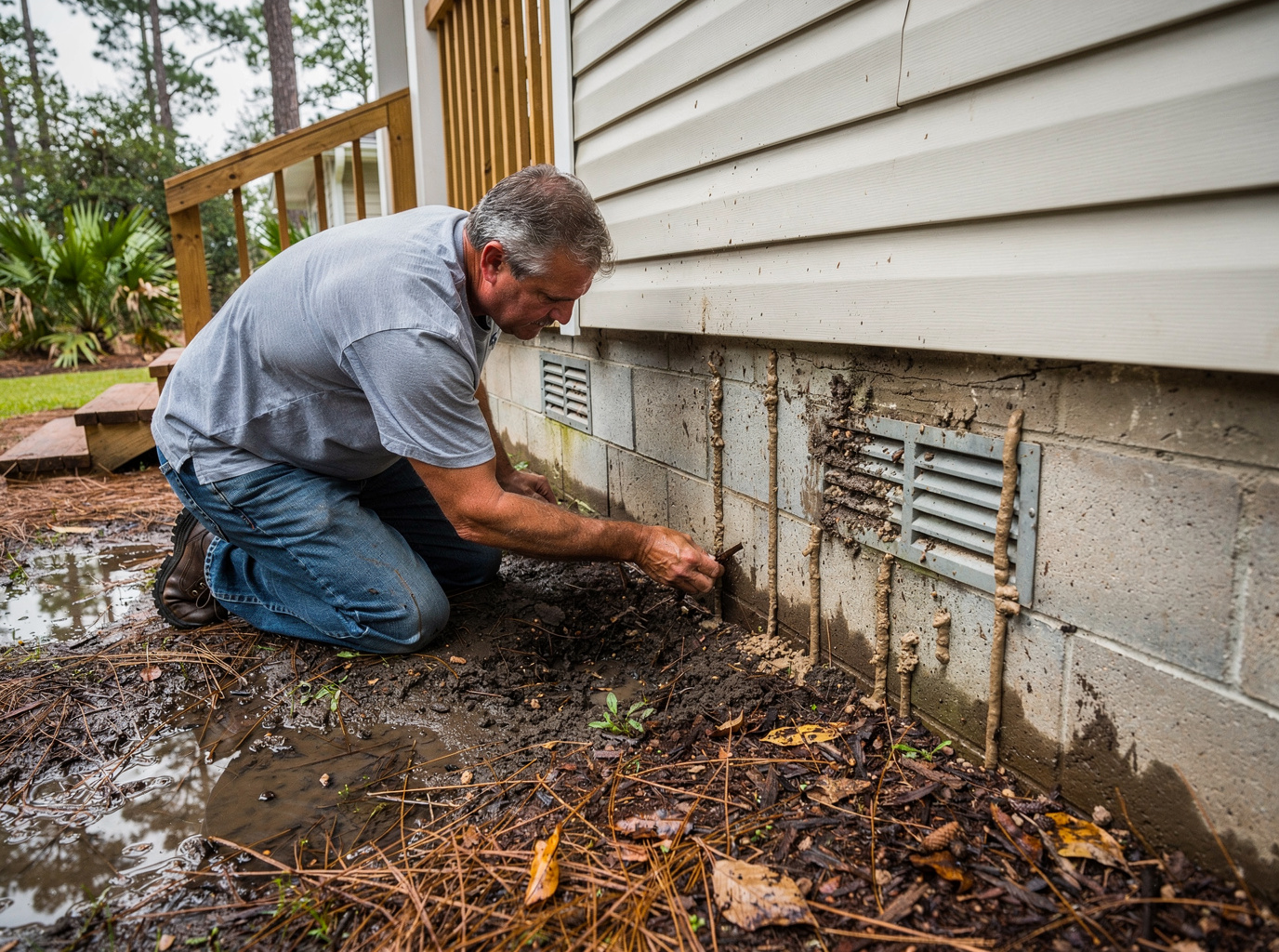
After South Carolina's often intense storms, particularly those bringing heavy rainfall and high winds, homeowners should immediately check for new termite activity, especially around foundations, crawl spaces, and any areas where water might have accumulated or wood has been exposed. The primary reason for this urgency is that saturated soil and disturbed ground create perfect conditions for termites, particularly subterranean species prevalent across the state, from the coastal plains of Charleston and Myrtle Beach to the upstate areas around Fort Mill and Rock Hill. Increased moisture softens wood and soil, making it easier for termites to tunnel and establish new colonies or expand existing ones. Look for signs like new mud tubes, discarded wings, or damaged wood within 24-48 hours post-storm, and continue periodic checks for several weeks as conditions remain damp. This proactive approach is crucial because termite damage can escalate rapidly, costing homeowners thousands if left unchecked, and unfortunately, it's often not covered by standard homeowner's insurance.
Understanding Why Storms Increase Termite Risk in South Carolina
South Carolina's climate, characterized by humid summers and mild winters, combined with frequent heavy rain events, hurricanes, and tropical storms, creates an environment highly conducive to termite proliferation. When a storm hits, several factors contribute to heightened termite risk. First, the ground becomes heavily saturated. This excess moisture softens the soil, allowing subterranean termites to construct their intricate tunnel systems, or mud tubes, with greater ease and speed. These tubes are their highways, protecting them from predators and dehydration as they travel from their underground colonies to your home's wooden structures. Second, standing water or water intrusion can compromise the integrity of wooden components in your home, such as siding, window frames, and subflooring. Wood that is constantly damp becomes a more attractive and accessible food source for termites. For instance, homes in low-lying areas or those with poor drainage in cities like Summerville or Georgetown are particularly vulnerable after heavy downpours.
Furthermore, storms can cause trees and branches to fall, creating new points of contact between soil and your home, or even directly damaging exterior walls, exposing new wood. Debris left around the foundation, such as wet leaves, branches, or even construction materials, acts as both shelter and food for termites, inviting them closer to your home. Even minor roof leaks or clogged gutters, exacerbated by heavy rain, can lead to water pooling in attics or crawl spaces, creating ideal, hidden breeding grounds for termites. This is especially true for older homes in historic districts like those found in Columbia or Charleston, where foundations and drainage systems may not be as robust against modern storm intensities. Understanding these storm-related vulnerabilities is the first step in effective post-storm termite vigilance.
Immediate Post-Storm Exterior Checks
Your first line of defense after a storm is a thorough inspection of your home's exterior. Start by walking around your entire foundation, paying close attention to areas where soil meets wood or concrete. Look for new or expanded mud tubes. These pencil-sized tunnels, often brown or reddish-brown, are clear indicators of subterranean termite activity. After heavy rain, these tubes can be washed away, only to be rebuilt quickly by active colonies, so even if you didn't see them before, new ones might appear. Check along the base of your foundation, around porch pillars, and up exterior walls. Also, inspect any wooden structures in direct contact with the ground, such as deck posts, fences, or wooden steps. Pay particular attention to areas that might have been impacted by falling debris or where water has visibly pooled.
Another critical area to inspect is your home's perimeter for any discarded termite wings. Swarmers, the reproductive termites, often emerge after heavy rains and high humidity, which are common post-storm conditions. They are attracted to light, so you might find their translucent wings near windows, doors, or outdoor light fixtures. Finding these wings, especially in clusters, is a strong indication that a termite colony is nearby and actively swarming. While swarming itself doesn't mean your home is infested, it signals a mature colony in the vicinity that could soon target your property. Also, check for any new areas of soft or damaged wood on your siding, window sills, or door frames, particularly on the side of your home most exposed to the storm's wind and rain. For a deeper dive into these signs, consider reviewing our guide on Termite Mud Tubes on Foundation and Discarded Termite Wings.
Essential Interior and Crawl Space Inspections
After securing the exterior, turn your attention to the interior, especially the often-overlooked crawl space. In South Carolina, many homes, particularly those built before the 1980s in areas like Aiken or Newberry, have crawl spaces that become extremely vulnerable to moisture intrusion during storms. Enter your crawl space with a flashlight and look for signs of new termite activity. The most obvious sign will be mud tubes running along foundation walls, support beams, or even plumbing pipes. Termites will use any available surface to build their protective tunnels. Also, carefully inspect any wooden elements for termite damage, which can appear as hollowed-out wood, often with a papery or crumbling texture. Tap on wooden joists and subflooring; a dull thud instead of a solid sound can indicate internal damage.
Inside your living areas, although less common for immediate post-storm signs, it's still prudent to check. Look for any new water stains on ceilings, walls, or floors, as these indicate leaks that could lead to damp wood and attract termites over time. Pay attention to baseboards, door frames, and window sills, especially those near outside walls. If you notice any small holes in wood, often with frass (termite droppings) nearby, this is a sign of drywood termite activity, which can also be exacerbated by moisture. While subterranean termites are the primary concern after storms, drywood termites can also thrive in humid conditions. For more detailed information on specific vulnerabilities, our article on Termites in Crawl Space offers valuable insights. Remember, early detection is key to mitigating potential damage and reducing treatment costs.
What to Do If You Find Signs of Termites
If your post-storm inspection reveals any signs of termite activity, it's crucial to act promptly. Do not attempt to treat the termites yourself with over-the-counter products, as this often only scatters the colony and makes professional treatment more challenging and costly in the long run. The first step is to contact a local termite control specialist who understands the specific challenges and termite species prevalent in the Across South Carolina area. An experienced operator will conduct a thorough Termite Inspection to accurately identify the type of termite, the extent of the infestation, and the best course of action.